
- Hearing
- 08 Apr 2025
Cochlear Implantation: A Guide to Cochlear Implants for Hearing Loss
Cochlear implantation is an established treatment option for selected children and adults with severe to profound hearing loss who receive limited benefit from conventional hearing aids.
Unlike hearing aids, which amplify sounds, a cochlear implant works differently by converting sound into electrical signals that stimulate the auditory system.
However, cochlear implantation is not suitable for every person with hearing loss. A comprehensive assessment is required to determine whether a patient is an appropriate candidate and to develop an individualized treatment and rehabilitation plan.
What Is a Cochlear Implant?
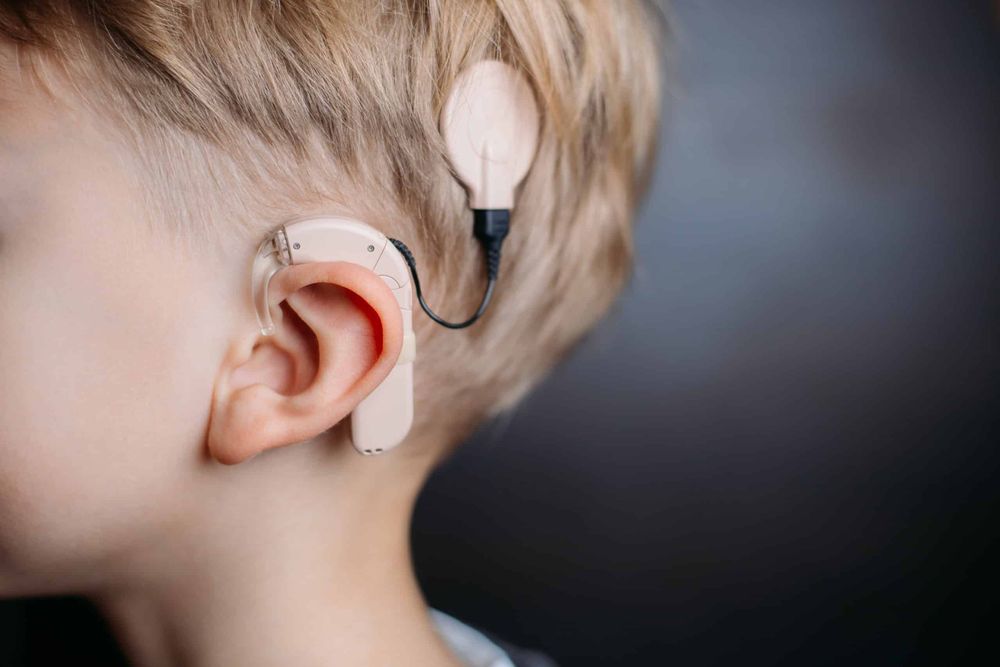
A cochlear implant is an electronic hearing device consisting of external and internal components.
The external sound processor captures sound and converts it into signals, while the surgically implanted component delivers electrical stimulation to the auditory system.
This differs from conventional hearing aids, which primarily make sounds louder for people who can benefit from amplification.
What Is the Difference Between a Cochlear Implant and a Hearing Aid?
One of the most common questions is whether a cochlear implant is simply a more powerful hearing aid.
The answer is no.
Hearing aids amplify sound and may be suitable for different types and degrees of hearing loss.
A cochlear implant, on the other hand, is considered for selected patients with significant sensorineural hearing loss when hearing aids do not provide sufficient benefit.
The appropriate hearing solution depends on the type and degree of hearing loss, hearing test results, benefit from hearing aids, and comprehensive specialist assessment.
Who May Be a Candidate for Cochlear Implantation?
Cochlear implants may be considered for selected:
- Children with severe to profound sensorineural hearing loss.
- Adults with severe to profound hearing loss.
- Patients who receive limited benefit from appropriately fitted hearing aids.
- Children born with significant hearing loss.
- Adults who develop significant hearing loss later in life.
Eligibility cannot be determined based on the degree of hearing loss alone. Each patient requires a comprehensive evaluation before a decision is made.
How Is a Patient Evaluated Before Cochlear Implantation?
The cochlear implant evaluation is an important part of the treatment journey.
Depending on the patient, assessment may include:
- Comprehensive hearing tests.
- Evaluation of hearing aid benefit.
- Medical and ENT assessment.
- Imaging and other investigations when required.
- Assessment of speech and communication abilities.
- Evaluation of the patient's rehabilitation needs.
For children, early and comprehensive assessment is particularly important because hearing plays a major role in speech and language development.
What Are the Stages of Cochlear Implantation?
The cochlear implant journey involves more than the surgical procedure itself.
1. Pre-Implant Assessment
The first stage involves comprehensive medical and audiological evaluation to determine whether cochlear implantation is appropriate for the patient.
2. Cochlear Implant Surgery
If the patient is an appropriate candidate, the internal component of the cochlear implant is surgically placed.
3. Healing After Surgery
A healing period is required before the external processor is activated, according to the treatment plan determined by the medical team.
4. Cochlear Implant Activation and Programming
After healing, the external sound processor is activated and programmed according to the patient's hearing responses and needs.
Programming is not necessarily a one-time process. Follow-up sessions may be required to adjust the settings over time.
5. Auditory and Speech Rehabilitation
Rehabilitation is a fundamental part of the cochlear implant journey, particularly for children.
It may include auditory training, speech and language rehabilitation, communication development, and regular follow-up according to the individual needs of each patient.
What Can Patients Expect After Cochlear Implantation?
The outcomes of cochlear implantation vary from one patient to another and depend on several factors, including the patient's age, hearing history, timing of implantation, rehabilitation, and individual response.
For appropriate candidates, cochlear implants can support improved access to sounds and speech and may help improve communication abilities.
For children, consistent auditory and speech-language rehabilitation following implantation plays an important role in developing listening and communication skills.
Therefore, cochlear implantation should be viewed as a complete treatment and rehabilitation journey, rather than surgery alone.
Why Is Follow-Up Important After a Cochlear Implant?
Regular follow-up helps evaluate hearing progress and ensures that the sound processor is appropriately programmed according to the patient's needs.
Follow-up may involve several specialties, including:
- ENT and cochlear implant specialists.
- Audiology specialists.
- Speech and language specialists.
- Auditory rehabilitation professionals.
This multidisciplinary approach helps create an individualized rehabilitation plan and monitor progress over time.
Cochlear Implant Program at ENT Clinic Egypt
At ENT Clinic Egypt, the Cochlear Implant Program provides an integrated approach to the different stages of the cochlear implant journey, from assessment and medical evaluation to surgery, programming, follow-up, and rehabilitation.
The program brings together ENT surgeons, audiology specialists, and speech and rehabilitation professionals to provide care according to each patient's individual needs.
Frequently Asked Questions About Cochlear Implants
Is a cochlear implant the same as a hearing aid?
No. Hearing aids amplify sound, while cochlear implants use electrical stimulation to provide access to sound for selected patients with significant hearing loss.
Who is suitable for a cochlear implant?
Candidacy depends on several factors, including the type and degree of hearing loss, hearing aid benefit, hearing test results, and comprehensive medical and audiological evaluation.
Can children receive cochlear implants?
Yes. Cochlear implantation may be considered for children who meet the appropriate medical and audiological criteria.
Does a cochlear implant restore normal hearing?
A cochlear implant does not restore natural hearing. It provides a different way of accessing sound, and outcomes vary between patients.
Is rehabilitation necessary after cochlear implantation?
Yes. Auditory and speech-language rehabilitation is an important part of cochlear implant care, particularly for children developing listening, speech, and communication skills.
Does a cochlear implant need programming after activation?
Yes. The sound processor requires programming, and additional adjustments may be needed during follow-up according to the patient's hearing responses and progress.
Could a Cochlear Implant Be Suitable for You or Your Child?
If hearing loss is severe and conventional hearing aids provide limited benefit, a comprehensive cochlear implant assessment can help determine whether implantation may be an appropriate option.
At ENT Clinic Egypt, each case is evaluated individually to determine the appropriate hearing and rehabilitation plan.
📞 For appointments and inquiries: 0248836150