Sleep Lab and Sleep Study for Sleep Disorder Evaluation
If you experience snoring, insomnia, frequent nighttime awakenings, or other persistent sleep problems, a medical evaluation can help identify the possible cause and determine whether further testing is needed.
The Sleep Lab at ENT Clinic Egypt – Nasr City Branch provides sleep studies for patients who require further evaluation after consultation with an ENT specialist. A sleep study helps monitor what happens during sleep and may support the evaluation of sleep disorders such as obstructive sleep apnea (OSA).
What Is a Sleep Lab?
A sleep lab is a specialized facility where sleep studies are performed to monitor selected body functions and physiological signals while a patient sleeps.
At ENT Clinic Egypt, the process begins with an evaluation by an ENT specialist. If the doctor determines that further sleep assessment is needed, the patient is referred to the Sleep Lab at the Nasr City Branch for a sleep study.
What Is a Sleep Study?
A sleep study is a test performed while you sleep to record and monitor different physiological signals that can help evaluate what happens during sleep.
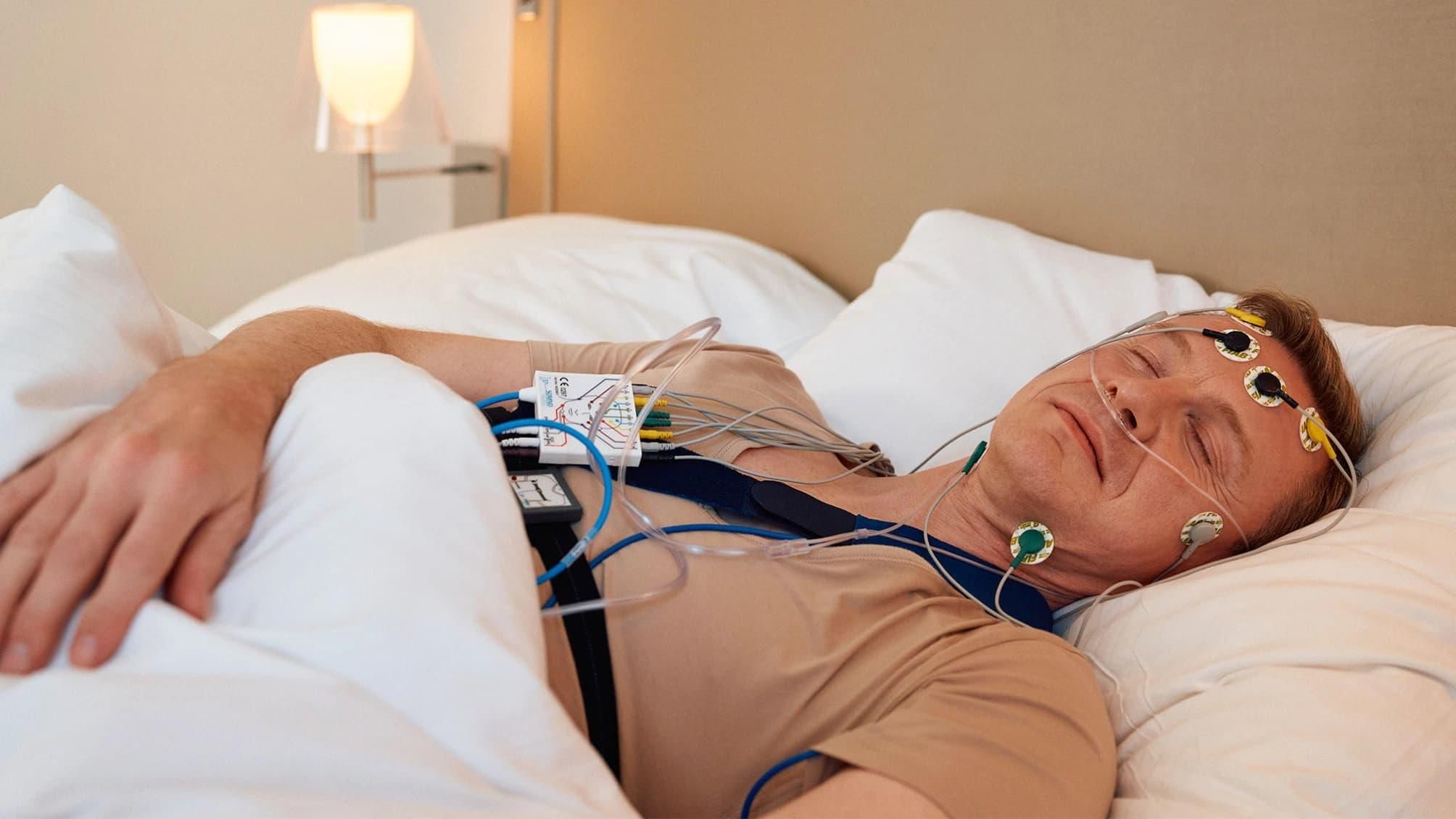
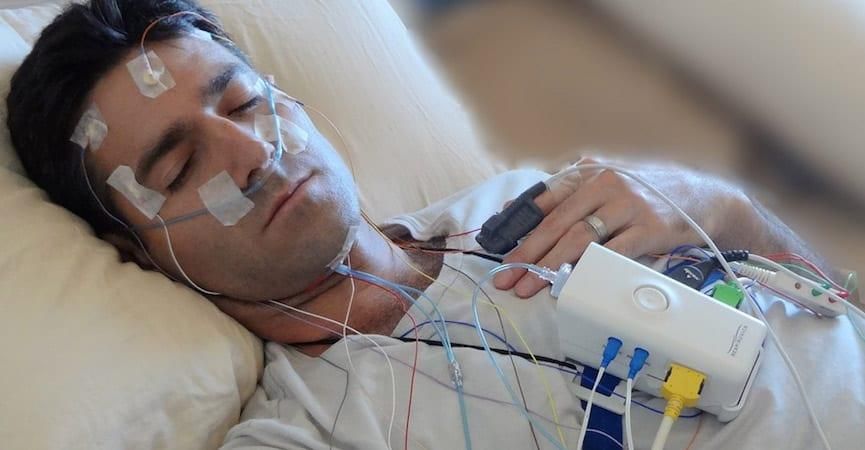
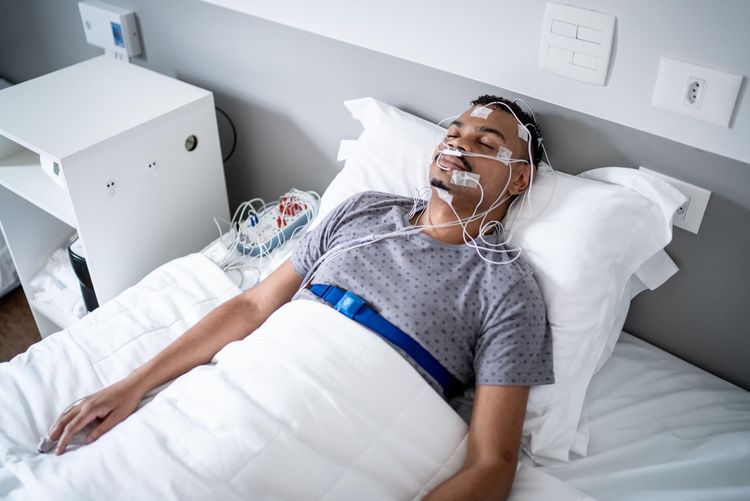
During the study, the patient sleeps in a dedicated room while sensors are placed on the body to monitor selected signals, including:
- Breathing during sleep.
- Heart rate.
- Electrical activity of the brain.
The sleep study does not require surgery or anesthesia, and the sensors used for monitoring are applied without causing pain.
When Might You Need a Sleep Study?
Not everyone with a sleep problem needs a sleep study. The need for testing is determined by the doctor based on your symptoms and medical evaluation.
Symptoms that may require further assessment include:
- Frequent or loud snoring.
- Observed pauses in breathing during sleep.
- Waking up with a sensation of breathing difficulty.
- Frequent awakenings during the night.
- Insomnia or difficulty staying asleep.
- Unrefreshing sleep.
- Feeling tired or sluggish after waking up.
- Low energy during the day.
- Difficulty concentrating.
- Persistent sleep problems that affect daily activities.
Having one or more of these symptoms does not necessarily mean that you have a specific sleep disorder. Medical evaluation is the first step in determining whether a sleep study is appropriate.
Sleep Study for Obstructive Sleep Apnea
Obstructive sleep apnea (OSA) is a sleep disorder in which the airway becomes narrowed or blocked during sleep, resulting in repeated disturbances in breathing.
Possible signs and symptoms may include:
- Loud or persistent snoring.
- Observed pauses in breathing during sleep.
- Repeated nighttime awakenings.
- Tiredness or fatigue during the day.
- Low energy.
- Difficulty concentrating.
When these symptoms are present, an evaluation can help determine whether a sleep study for sleep apnea is needed as part of the diagnostic process.
Does Snoring Require a Sleep Study?
Not everyone who snores has a serious sleep disorder, and snoring does not automatically mean that a person has obstructive sleep apnea.
However, persistent or loud snoring, particularly when accompanied by observed pauses in breathing, breathing difficulties, or frequent nighttime awakenings, may require medical evaluation.
After assessing the symptoms, the doctor can determine whether a sleep study is necessary.
Insomnia and Sleep Problems
Insomnia does not always mean being unable to fall asleep.
Some people may have difficulty falling asleep, while others fall asleep normally but wake up repeatedly during the night or find it difficult to return to sleep.
Insomnia can have different causes, which is why persistent sleep problems should be properly evaluated rather than diagnosed based on symptoms alone.
In some patients, insomnia and obstructive sleep apnea can occur together, a condition known as COMISA (Comorbid Insomnia and Sleep Apnea).
A comprehensive evaluation can help identify the nature of the sleep problem and determine the appropriate next steps.
Can Sleep Disorders Affect Concentration and Mood?
Poor-quality or frequently interrupted sleep may affect how a person feels and functions during the day.
Some people may experience:
- Fatigue or sluggishness.
- Difficulty concentrating.
- Reduced energy.
- Feeling unrefreshed despite sleeping for several hours.
- Changes in mood.
These symptoms can have many different causes and cannot diagnose a sleep disorder on their own.
When they persist, particularly alongside snoring, frequent awakenings, or breathing problems during sleep, medical evaluation may be appropriate.
How Is a Sleep Study Performed?
If the doctor determines that a sleep study is needed, the patient is referred to the sleep lab.
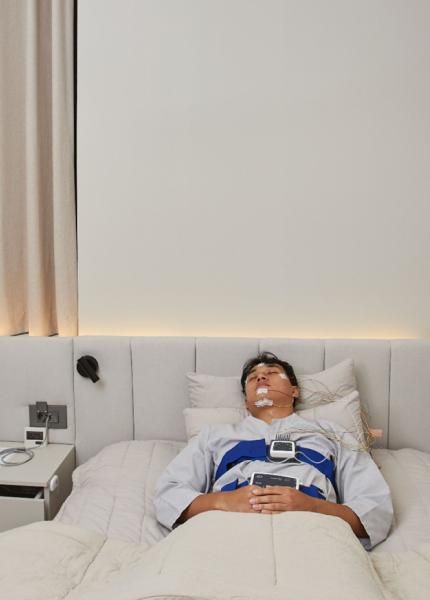
The patient spends the sleep period in a dedicated room, where sensors are placed on the body to monitor and record the required signals throughout sleep.
The test does not involve surgery or anesthesia. The recorded information is then used as part of the evaluation of the patient's sleep problem.
How Are Sleep Disorders Evaluated at ENT Clinic Egypt?
The process begins with medical assessment rather than booking a sleep study directly.
1. ENT Consultation
An ENT specialist evaluates the patient's symptoms and the problems occurring during sleep.
2. Determining the Need for a Sleep Study
Based on the medical assessment, the doctor determines whether a sleep study is required.
3. Referral to the Sleep Lab
If further sleep assessment is needed, the patient is referred to the Sleep Lab at ENT Clinic Egypt – Nasr City Branch.
4. Sleep Study
The required physiological signals are monitored and recorded while the patient sleeps.
5. Further Evaluation
The sleep study findings are considered alongside the medical evaluation to help understand the sleep problem and determine the appropriate next steps.
Sleep Lab in Nasr City
The Sleep Lab at ENT Clinic Egypt – Nasr City Branch provides sleep studies for patients who require further assessment following medical evaluation.
Sleep studies can support the evaluation of sleep problems associated with symptoms such as snoring, obstructive sleep apnea, insomnia, frequent nighttime awakenings, and persistent tiredness after sleep.
Frequently Asked Questions About Sleep Studies
What is a sleep study?
A sleep study is a test performed during sleep to monitor and record selected physiological signals that can help doctors evaluate certain sleep disorders.
Is a sleep study painful?
No. A sleep study does not require surgery or anesthesia. Sensors are placed on the body to monitor the required signals while the patient sleeps.
Does snoring mean I have sleep apnea?
No. Snoring alone does not mean that you have obstructive sleep apnea. However, it can be one of its symptoms, particularly when accompanied by pauses in breathing or frequent nighttime awakenings.
What are the symptoms of obstructive sleep apnea?
Possible symptoms include persistent snoring, observed pauses in breathing during sleep, frequent awakenings, daytime fatigue, low energy, and difficulty concentrating. A specialist evaluation is required for diagnosis.
Does insomnia require a sleep study?
Not everyone with insomnia needs a sleep study. Insomnia has different possible causes, and the doctor determines whether a sleep study is necessary after evaluating the patient's symptoms.
Can insomnia and sleep apnea occur together?
Yes. Insomnia and obstructive sleep apnea may occur together in some patients. This is known as COMISA.
Can I book a sleep study directly?
At ENT Clinic Egypt, the process starts with an ENT consultation. If the doctor determines that a sleep study is required, the patient is referred to the Sleep Lab.
Where is the ENT Clinic Egypt Sleep Lab located?
The Sleep Lab is available at the Nasr City Branch.
Do You Have Snoring, Insomnia, or Persistent Sleep Problems?
Start with an evaluation.
If you experience snoring, insomnia, frequent awakenings, observed pauses in breathing during sleep, or other persistent sleep problems, an ENT specialist can evaluate your symptoms and determine the appropriate next step.
If a sleep study is required, you will be referred to the Sleep Lab at the Nasr City Branch for further assessment.
📞 For appointments and inquiries: 0248836150